XELLUX TECHNOLOGIES / THE FUTURE OF WORK

When work changes, lives change with it.

A changing job is never only a workplace issue. Behind every pay cheque are people making plans: a parent paying school fees, a graduate helping at home, a family saving for a more secure future. When technology changes how work is done, those plans can feel uncertain.

Technology can remove tasks from a job. It can also create work that did not exist before. The difficult question is whether people can reach the new work before the old work stops supporting them.

A FIVE-YEAR LENS

A job can keep its name while the work inside it changes.

These stages show how change might unfold for a worker or industry. The pace will differ across countries, employers and occupations.

01 THE SIGNAL

The tools enter the workplace.

Software begins handling parts of the work: drafting, sorting, recording, answering routine questions or producing first versions of reports. At first, the job title may look unchanged.

The question becomes: which parts of my work are becoming easier to automate?
02 THE REDESIGN

Employers change what they need from people.

When routine output becomes faster, greater value may shift towards checking accuracy, understanding context, solving unusual problems and making responsible decisions. A familiar role can begin to demand unfamiliar abilities.

Keeping the same title no longer means doing the same work.
03 THE PRESSURE

Some opportunities narrow. Others open.

An employer may need fewer people for a repetitive task while needing people who can manage the new process, investigate its failures or apply its output. New opportunities do not automatically reach those whose old work has disappeared.

The transition matters as much as the technology.
04 THE RESPONSE

People build on what they already know.

An accountant can combine financial judgement with analytics. A developer can learn to build and assess AI-enabled systems. A professional who knows an industry can learn to improve its digital workflows. Their existing knowledge becomes the foundation for new capability.

Adaptation can begin with one useful skill added to another.
05 THE NEW POSITION

The aim is to have more ways to contribute.

Someone who can understand a problem, use the right tools and take responsibility for the result may find more ways to work: within an organisation, with clients, alongside a team or through something they build themselves.

More capability can create more options for the person and the people who depend on them.
WHAT THIS CAN LOOK LIKE

Imagine someone whose work is preparing the same report every week. A new tool can now generate the first draft in minutes. That creates a real risk if producing the draft was the whole job. It also creates a different need: someone must know whether the figures are correct, what changed, why it changed and what the organisation should do next.

The report is faster. Understanding it still matters.
THE HUMAN STAKES

People do not prepare for a changing economy just to keep a job title. They want to protect an income, care for loved ones, move beyond survival and have a meaningful place in society.

The future of work matters because the future of someone's family may depend on how well they can navigate it.

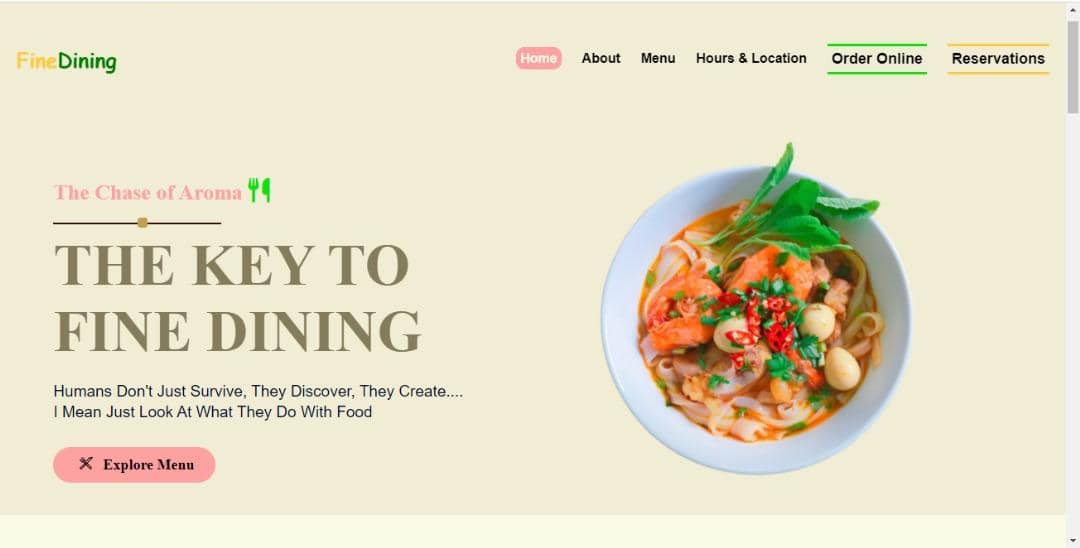
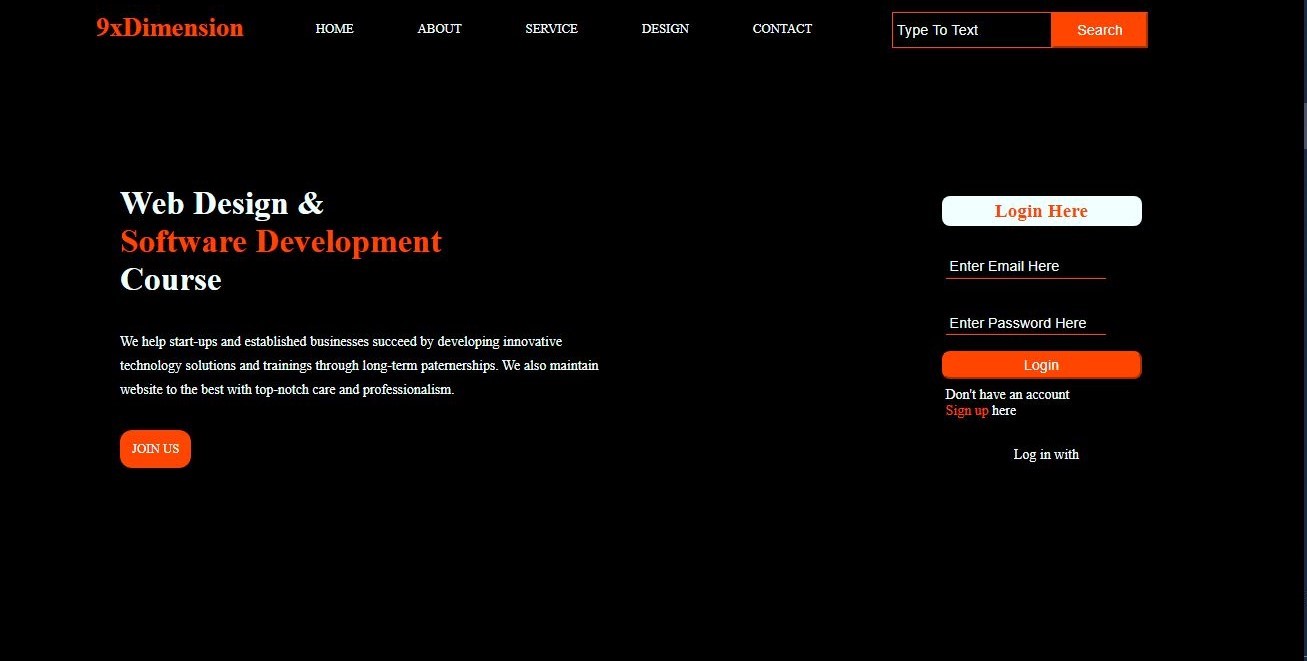
Our Portfolio

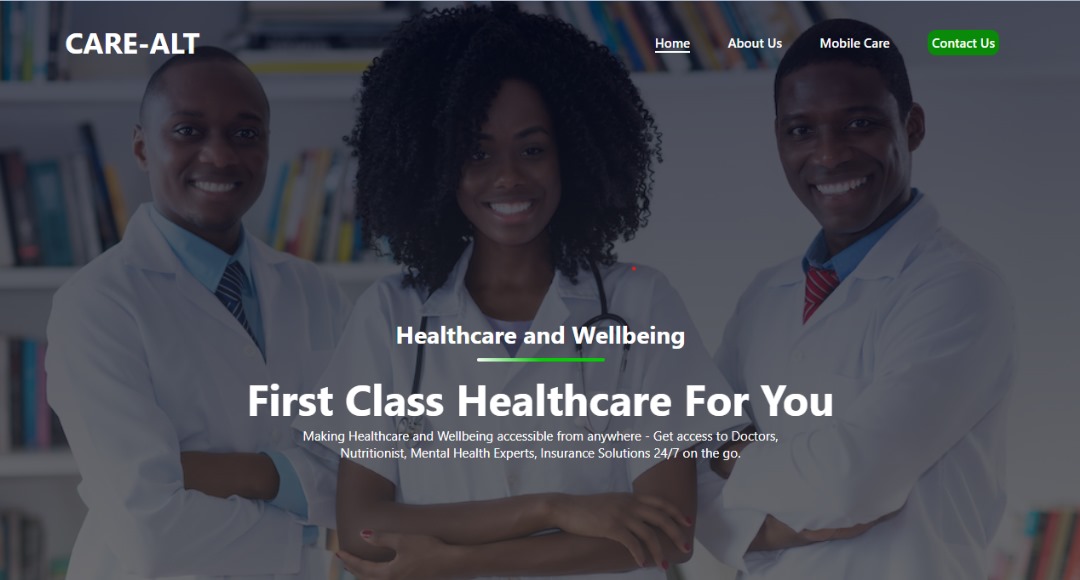
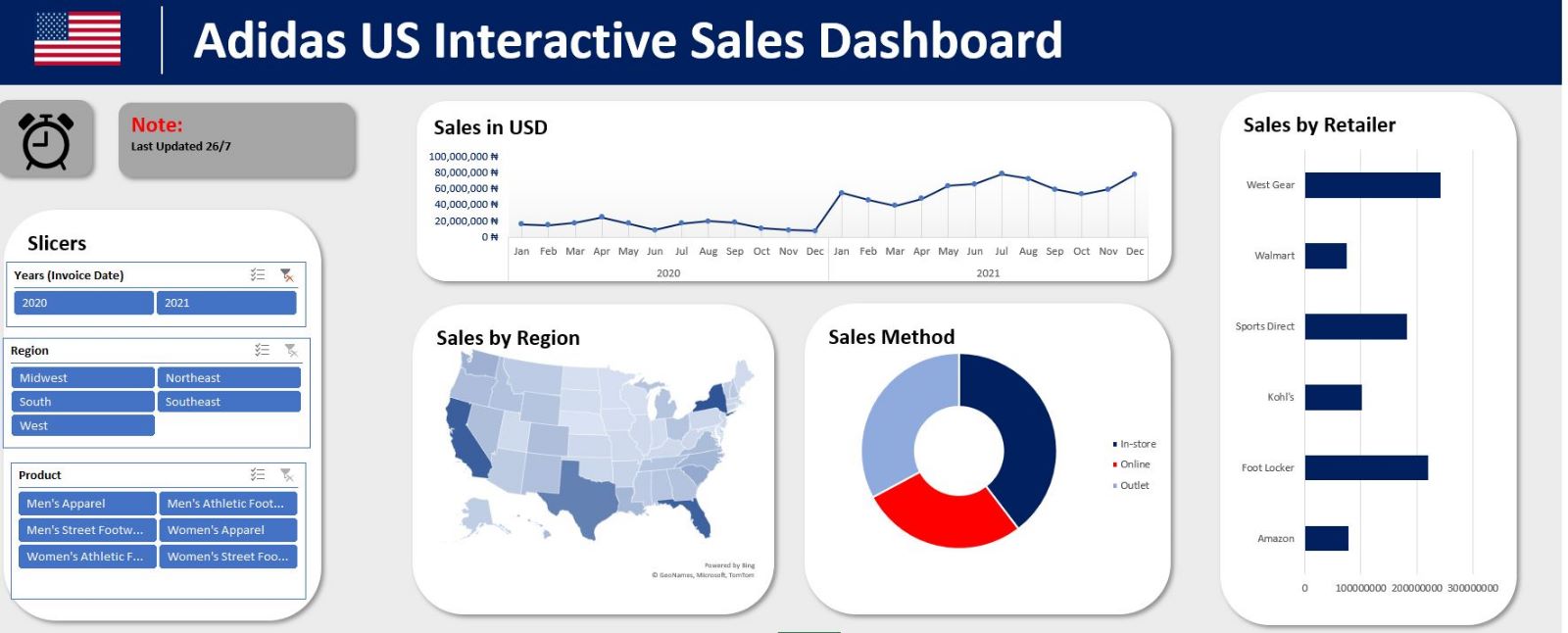
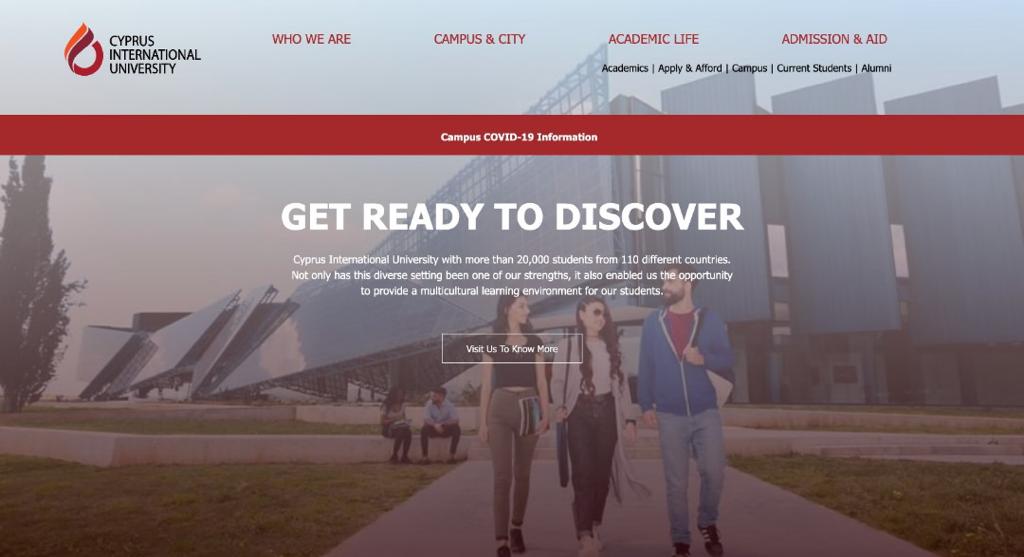
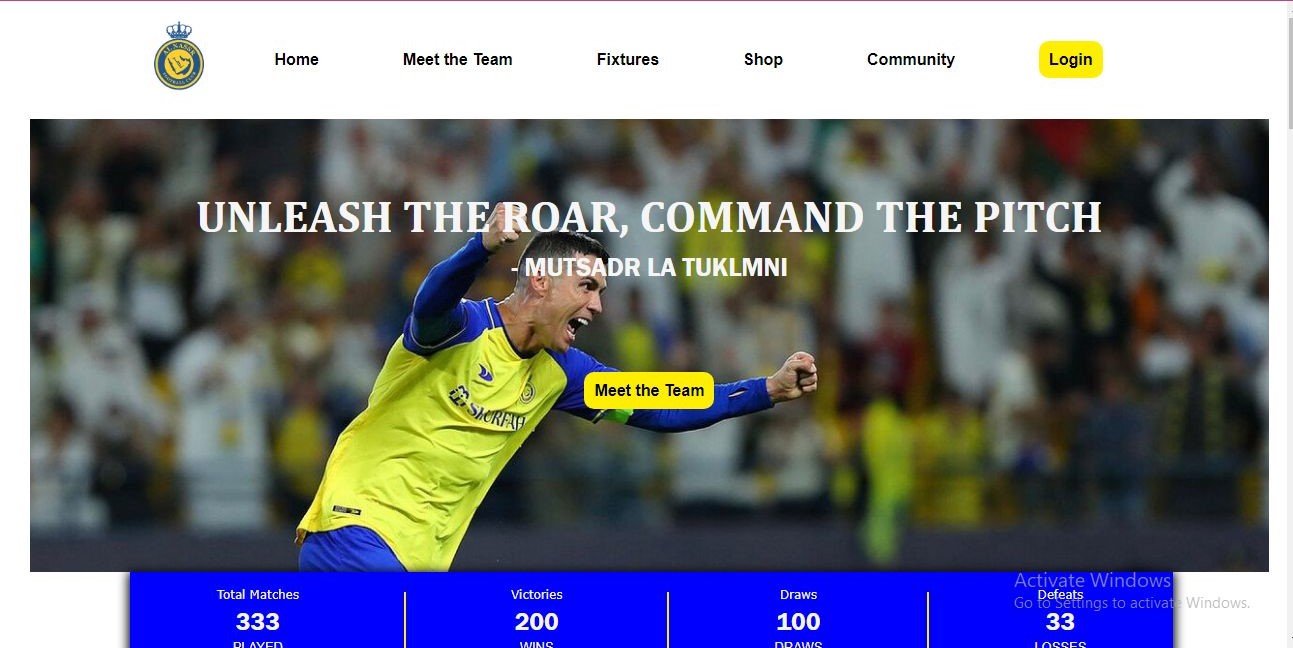
We build professional website, backend design projects, analytical designs and UI kits.
Some of our awesome completed projects in below.


XELLUX TECHNOLOGIES / SKILLS AND ECONOMIC VALUE

What you already know could be worth more than you think.

When industries change, people often assume they must abandon their education or start life again. Yet a person with knowledge of accounting, healthcare, education, logistics or business already understands problems that technology alone cannot understand for them.

The opportunity may be in what happens when that knowledge meets a new capability.
THE PRINCIPLE

One skill helps you do a task. The right combination helps you solve a larger problem.

01 / FOUNDATIONS

Your starting point matters. It does not have to be your finishing point.

01

A university degree

It can build foundations in a discipline and teach you to examine complex ideas. Its value grows when you can apply that knowledge to the problems people and organisations face now.

02

A professional certificate

It can show focused study and commitment to a field. Its value grows when you can demonstrate the judgement and practical work behind it.

03

Experience gained through work

It gives you knowledge of customers, processes, constraints and the mistakes that theory may overlook. New tools can help you use that experience in more ways.

04

A practical skill learned independently

It can open a route into work even when your education followed a different path. What matters is whether you can use it reliably to meet a real need.

The question is not, “Which qualification makes me valuable?”

It is, “What can I understand, combine and do that makes a meaningful difference?”
02 / COMBINATIONS

Look at what changes when abilities meet.

These are examples of how an existing strength can become more useful when paired with another.

FINANCE
Accounting knowledge Data analytics

See the story behind the figures.

An accountant can move beyond preparing a report to investigating why costs rise, where cash is trapped or which activities are becoming less profitable.

SOFTWARE
Software engineering Industry understanding

Build for the problem, not just the brief.

A developer who understands how a business operates can design tools around real users, practical constraints and outcomes worth achieving.

OPERATIONS
Process experience Automation

Give people time back.

Someone who knows where work repeatedly slows down can help redesign the process, reduce avoidable errors and free colleagues to focus on decisions that need human attention.

COMMUNICATION
Subject knowledge Digital communication

Make expertise useful to more people.

A professional who can explain complex work clearly can help teams act on findings, serve customers better and carry good ideas beyond the room where they began.

03 / DEPTH AND RANGE

Specialise deeply. Connect intelligently.

Combining skills does not mean collecting tools without direction. Depth gives you a problem you understand well. A complementary skill helps you approach that problem in a more effective way.

A specialist who cannot adapt may see their work change around them. Someone who learns many tools without understanding a field may struggle to use them well. The strongest path is to develop real competence and keep asking what else that competence needs in order to serve people better.

XELLUX TECHNOLOGIES / THE HUMAN VALUE OF SKILLS

Behind the ambition is a life to build.

People rarely think about earning more in isolation. They think about the rent that must be paid, the parent who needs care, the child whose education matters and the possibility of reaching a point where one setback no longer puts everything at risk.

A skill matters when it helps someone take greater responsibility for the life in front of them.
START WITH THE REALITY

For someone living close to the edge, the first dream may not be a remarkable career. It may be a stable month: food at home, bills paid on time and enough left to face tomorrow without fear.

That is why economic opportunity is personal. It changes what a person can carry and what the people who rely on them can hope for.

THE HUMAN PROGRESSION

Progress is felt in what becomes possible next.

The path is different for everyone, but its effects often reach far beyond a job description.

01 STABILITY

A little breathing room.

Reliable work can make ordinary necessities less uncertain. Meeting household needs, paying obligations and setting something aside become possible with greater consistency.

The first change may be a quieter mind at home.
02 RESPONSIBILITY

Being able to show up for others.

An income can support a child’s education, help a parent through a difficult period or allow a family member to take an opportunity. The goal is to help in a way that can be sustained, without losing the foundation that makes that help possible.

One person’s progress can widen another person’s options.
03 CHOICE

More than one path forward.

With useful abilities and a stronger foundation, a person may have greater freedom to seek better work, leave an unsuitable situation, pursue further education or build something of their own.

Economic progress gives people more room to make decisions for themselves.
04 CONTRIBUTION

Becoming useful beyond your household.

People use what they know to improve a workplace, serve customers, teach others, solve local problems and sometimes create work for more people. Their contribution becomes part of a wider community.

The value of capability can travel further than the person who developed it.
AN HONEST POINT

Learning matters. So does access to opportunity.

No course, certificate or skill can promise an income or lift someone out of poverty on its own. People also need opportunities to practise, access to work, fair treatment and a market for what they can do.

But when those doors appear, practical capability can help someone walk through them and deliver work that others genuinely need.

WHY THE WORK BELOW MATTERS

Every project begins with a need: information that needs to make sense, a process that needs to work better or an idea that needs to become useful. The work in this portfolio represents people applying knowledge to those needs.

Look beyond what was built. Consider the problem it addresses, the people it can serve and the new possibilities created when someone has the ability to build it.

Where Our Students Work

Xellux Technologies is a Top ICT Training Company For Global Students. Our Students Work in Top International Companies in Canada, USA, UK, Cyprus, Turkey and Nigeria.


XELLUX TECHNOLOGIES / OUR SHARED FUTURE

The future must have room for more people.

When technology changes an industry, we often ask whether people are ready for the future. We should also ask whether the future is making room for them.

A person can be willing to learn and still face a hard journey. The parent studying after everyone else has gone to sleep. The graduate with ability but no first opportunity to use it. The experienced worker whose tasks are changing faster than their employer can help them adapt.

Their effort matters. So do the doors available to them.
THE QUESTION WE MUST FACE

If technology helps us produce more, who gets the chance to participate in that progress?

ABILITY NEEDS A WAY THROUGH

People cannot move into new work through determination alone.

Learning takes time. Practice needs room for mistakes. A first opportunity often depends on someone being willing to recognise potential before a long record of experience exists.

If a job disappears before a worker can move into another one, telling that person to “adapt” does not solve the immediate problem. A transition needs pathways people can actually use.

WHAT MAKES A PATHWAY POSSIBLE

The responsibility belongs to more than one person.

A changing economy is shaped by the choices of those who educate, employ, build and open doors.

01

Educators can make learning usable.

Teach people how to apply knowledge, work through real problems and explain what they have done. Help a learner see where a skill belongs in the world outside the classroom.

02

Employers can create bridges.

Give workers time to develop new abilities before their existing tasks disappear. Recognise experience that can transfer into a changing role, even when it comes from a different job title.

03

Builders can consider who benefits.

A useful system should solve a real problem while accounting for the people whose work it changes. Better technology also asks how people will understand, use and work alongside what has been built.

04

Communities can open the first door.

Share knowledge, offer guidance and give someone a fair chance to contribute. An introduction, a first project or thoughtful feedback can help ability become visible.

REMEMBER THE PERSON

Behind a conversation about productivity may be a worker wondering whether they can still provide for their family. Behind a conversation about new jobs may be a young person wondering how to reach one without experience. Behind a successful innovation may be people whose lives will change because of it.

These are not side questions. They are part of what progress means.
WHAT WE CAN CHOOSE

We can build technology that serves real needs. We can teach skills in ways people can use. We can recognise capability wherever it was developed and create more routes for people to put it to work.

No single person or organisation can remove every barrier. But each decision can make the path narrower or wider for someone coming after us.